
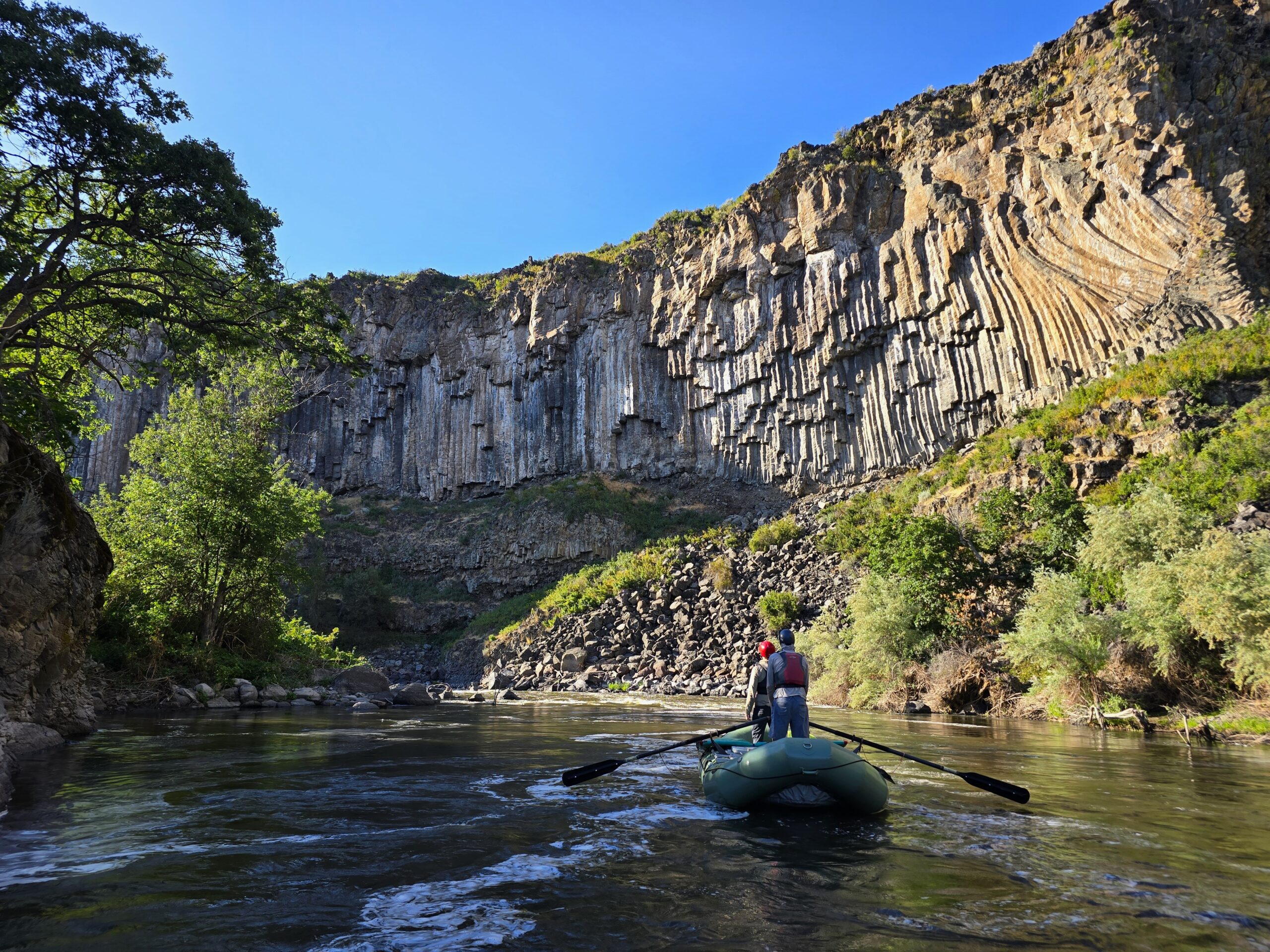
Introducing {artemis}: A Breakthrough R Package for qPCR-Based eDNA Analysis from the Genidaqs Group We’re thrilled to share a major advancement from the Genidaqs Group—our latest contribution to the environmental science and biotechnology community: the release of a powerful new open-source R package called {artemis}. Specifically developed for environmental DNA (eDNA) analysis, {artemis} is set […]
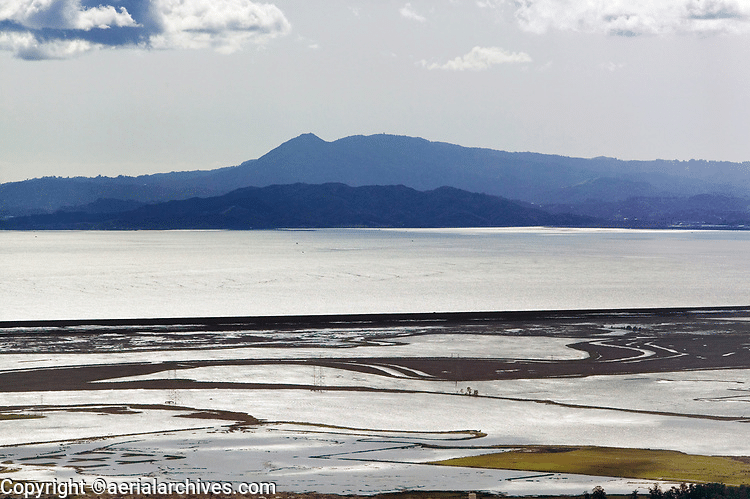
Genidaqs recently partnered with the U.S. Geological Survey and fellow collaborators on an innovative study exploring how different eDNA sampling techniques perform in detecting fish communities—especially the elusive longfin smelt—in restored tidal wetlands of the San Francisco Bay Estuary. Traditional fish sampling methods were compared with two eDNA-based approaches: standard filtration using Sterivex™ filters and […]
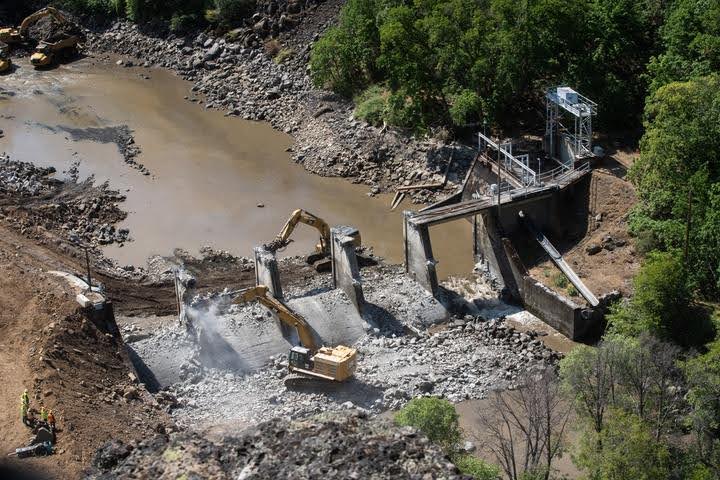
The removal of four dams along the Klamath River represents a unique opportunity to study the impacts of large-scale dam removal on river ecology. To establish an invaluable genetic baseline, the study team (Genidaqs, RES) collected and preserved over 400 DNA and RNA samples from locations across the Klamath River before dam removal.

The Delta Smelt (Hypomesus transpacificus, McAllister) is a small pelagic fish (120 mm maximum length) endemic to the San Francisco Estuary that has experienced a significant decline in population abundance over the past few decades. Dramatic alterations of the estuary have been ongoing since the Gold Rush (mid 19th century), with the current ecosystem inhospitable […]
Most of the land bases where US Army installations reside are ecologically significant – providing refuge for a large number of the nation’s threatened and endangered plants and animals. Restrictions caused by threatened and endangered species and their critical habitat can have a detrimental impact on the military’s ability to “train as we fight.” The […]
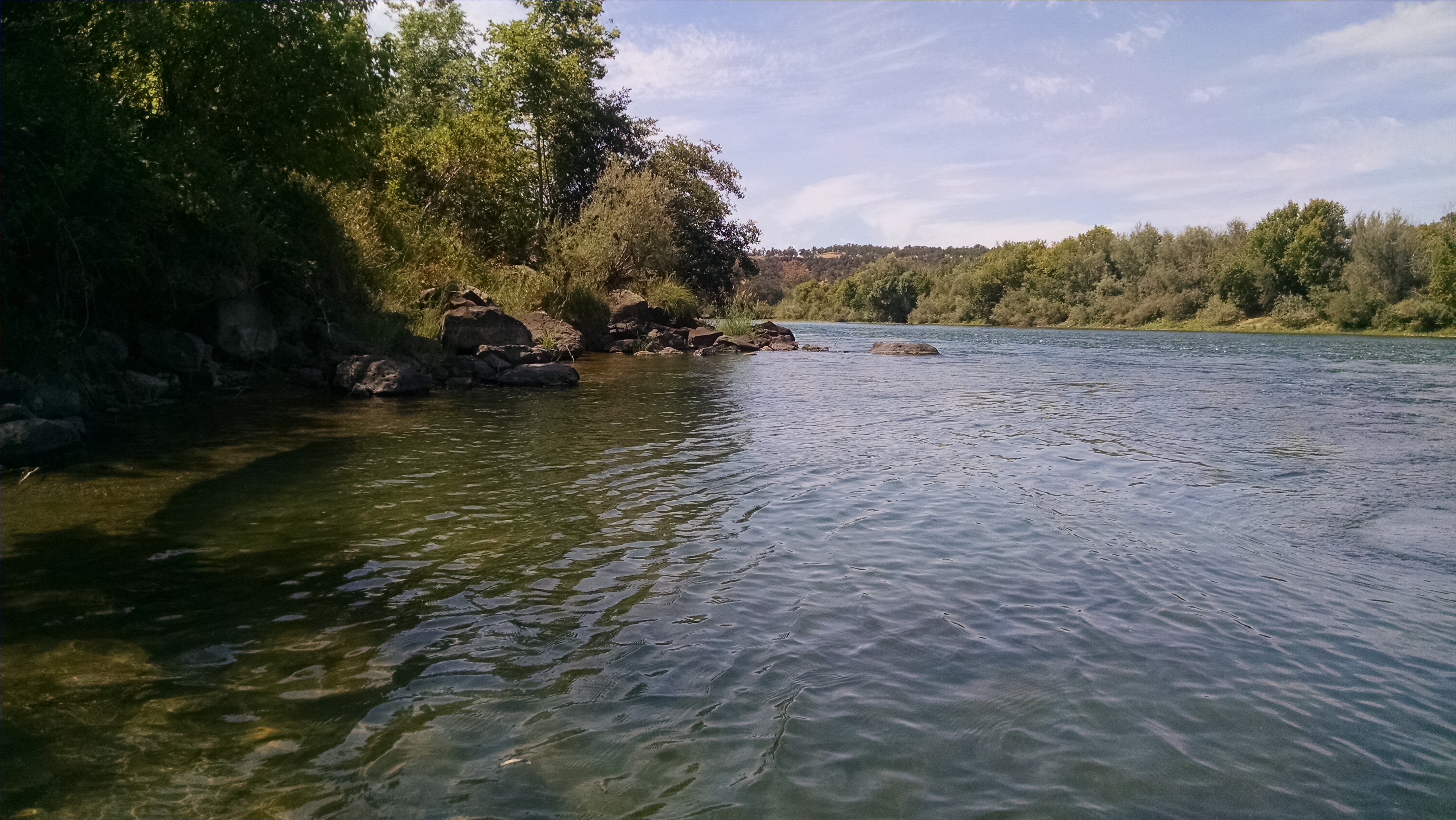
The objective of this study was to assess the effectiveness of the eDNA sampling technique as a survey of Environmental DNA (eDNA) is an emerging sampling method that has been used successfully for detection of rare aquatic species. The identification of sampling tools that are less stressful for target organisms has become increasingly important for […]
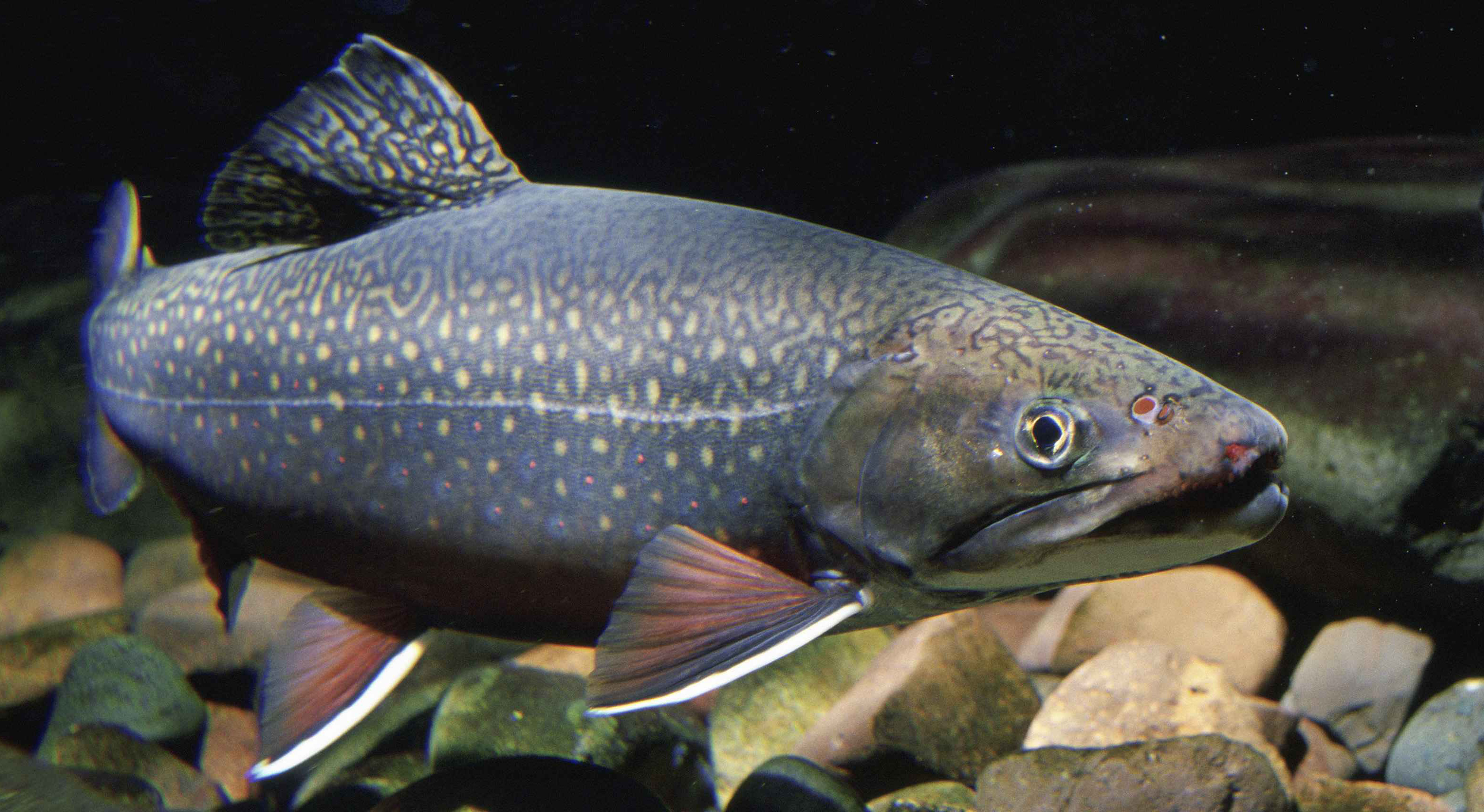
Nonnative brook trout exist in high numbers in the Upper Malheur River basin. In response to the identification of brook trout as a limiting factor to the recovery of ESA-listed bull trout in the basin (USFWS, 2002), the Burns Paiute Tribe Natural Resources Department (BPT) began brook trout suppression efforts in 2010. Since 2001, the […]
Genidaqs
+1 916-231-1681 / genidaqs@fishsciences.com
3300 Industrial Blvd., Suite 100
West Sacramento, CA 95691
Cramer Fish Sciences
©2026

"*" indicates required fields