
{artemis}: Cutting-Edge qPCR Analysis Toolkit for eDNA/eRNA Research
Introducing {artemis}: A Breakthrough R Package for qPCR-Based eDNA Analysis from the Genidaqs Group We’re thrilled to share a major advancement from the Genidaqs Group—our latest contribution to the environmental science and biotechnology community: the release of a powerful new open-source R package called {artemis}. Specifically developed for environmental DNA (eDNA) analysis, {artemis} is set […]
Advancing eDNA Monitoring in San Francisco Bay Estuary
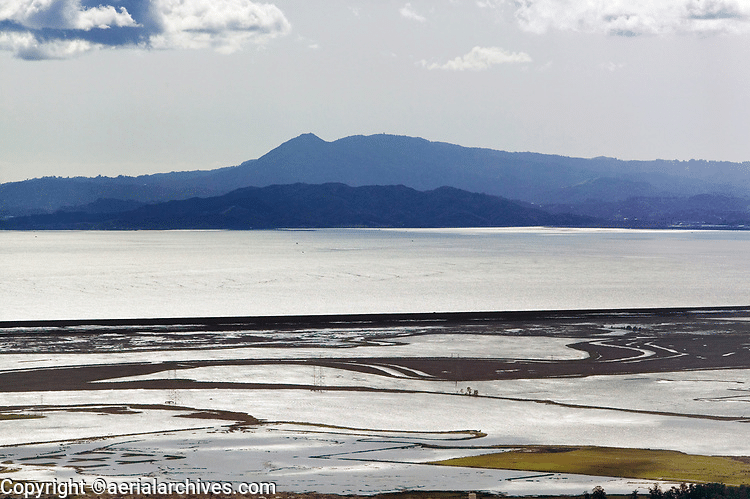
Genidaqs recently partnered with the U.S. Geological Survey and fellow collaborators on an innovative study exploring how different eDNA sampling techniques perform in detecting fish communities—especially the elusive longfin smelt—in restored tidal wetlands of the San Francisco Bay Estuary. Traditional fish sampling methods were compared with two eDNA-based approaches: standard filtration using Sterivex™ filters and […]
Research & Development – 2024 updates now in service
Enhanced DNA Metabarcoding In 2024, Genidaqs launched a powerful new suite of validated metabarcoding primers—broadening the range of taxa that can be genetically identified with precision. This expanded toolkit includes primers for: General bat primersPacific Northwest SalmonidsGIQSnakeGIQTurtle Crustaceans (crabs and crayfish)Copepod, Cladeceran, Amphipod (CCA) primersFreshwater Inverts (EPT taxa) Leese primersInvasive Aquatic Plants ITS primersTerrestrial plants […]
New Service Announcement: eDNA Testing for Invasive Golden Mussel
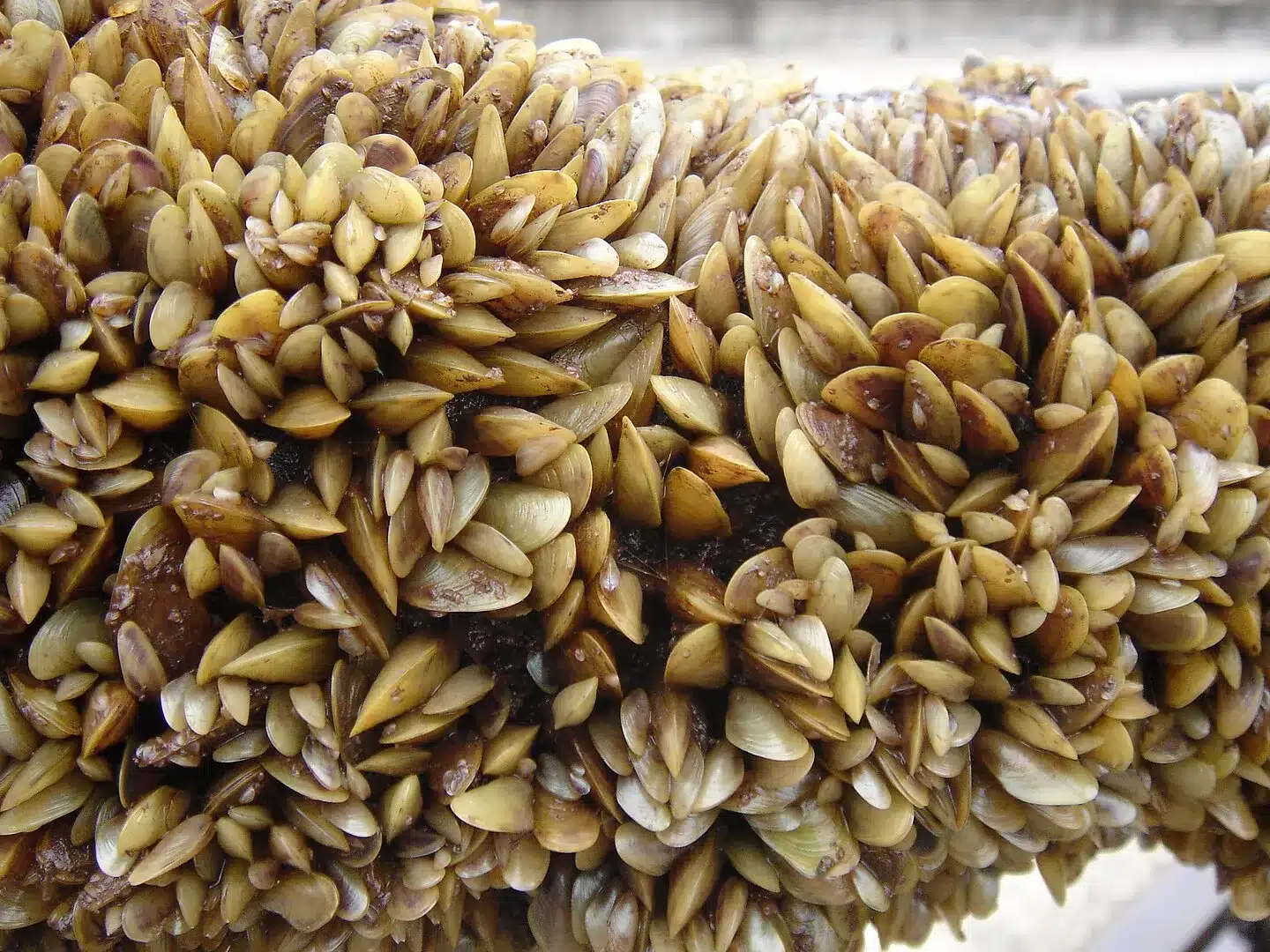
eDNA Testing for Invasive Golden Mussel (Limnoperna fortunei)
Dam Removal on Klamath River Provides Unique Scientific Opportunities
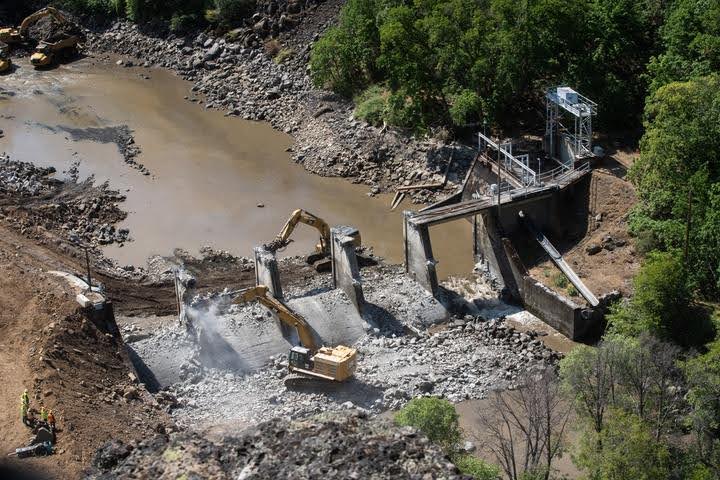
The removal of four dams along the Klamath River represents a unique opportunity to study the impacts of large-scale dam removal on river ecology. To establish an invaluable genetic baseline, the study team (Genidaqs, RES) collected and preserved over 400 DNA and RNA samples from locations across the Klamath River before dam removal.
Unraveling the Genetic History of Native Salmonids in the Upper Skagit River
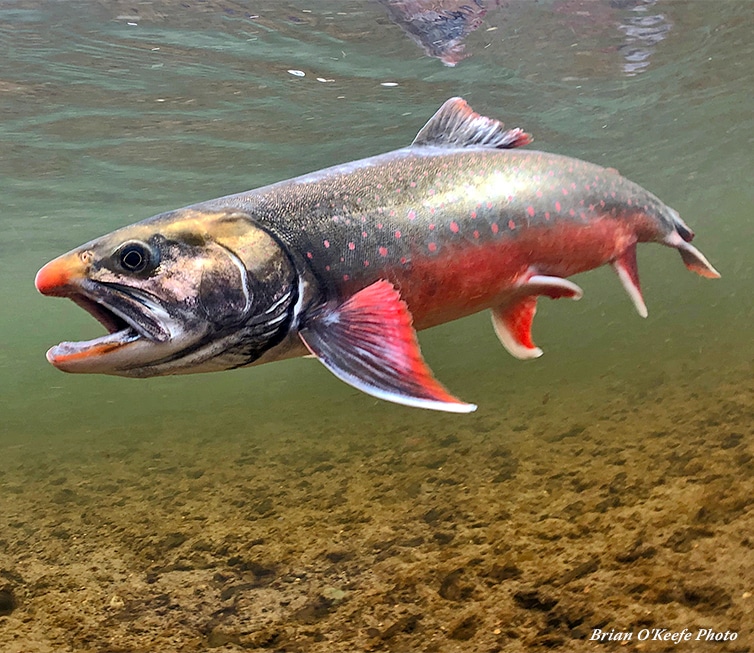
Native salmonids (Rainbow/steelhead trout, Bull Trout, Dolly Varden) populations in the upper Skagit River have a complex evolutionary past shaped by geology, hydrology, and human actions. In our latest research study funded by City Light, we’re using genomic tools to unravel the phylogenetic biogeography of Rainbow and Bull Trout in the upper Skagit River basin.
Monitoring Delta Smelt Environmental DNA (eDNA)

The Delta Smelt (Hypomesus transpacificus, McAllister) is a small pelagic fish (120 mm maximum length) endemic to the San Francisco Estuary that has experienced a significant decline in population abundance over the past few decades. Dramatic alterations of the estuary have been ongoing since the Gold Rush (mid 19th century), with the current ecosystem inhospitable […]
Investigation of Winter-Run Chinook Salmon Vital Rates
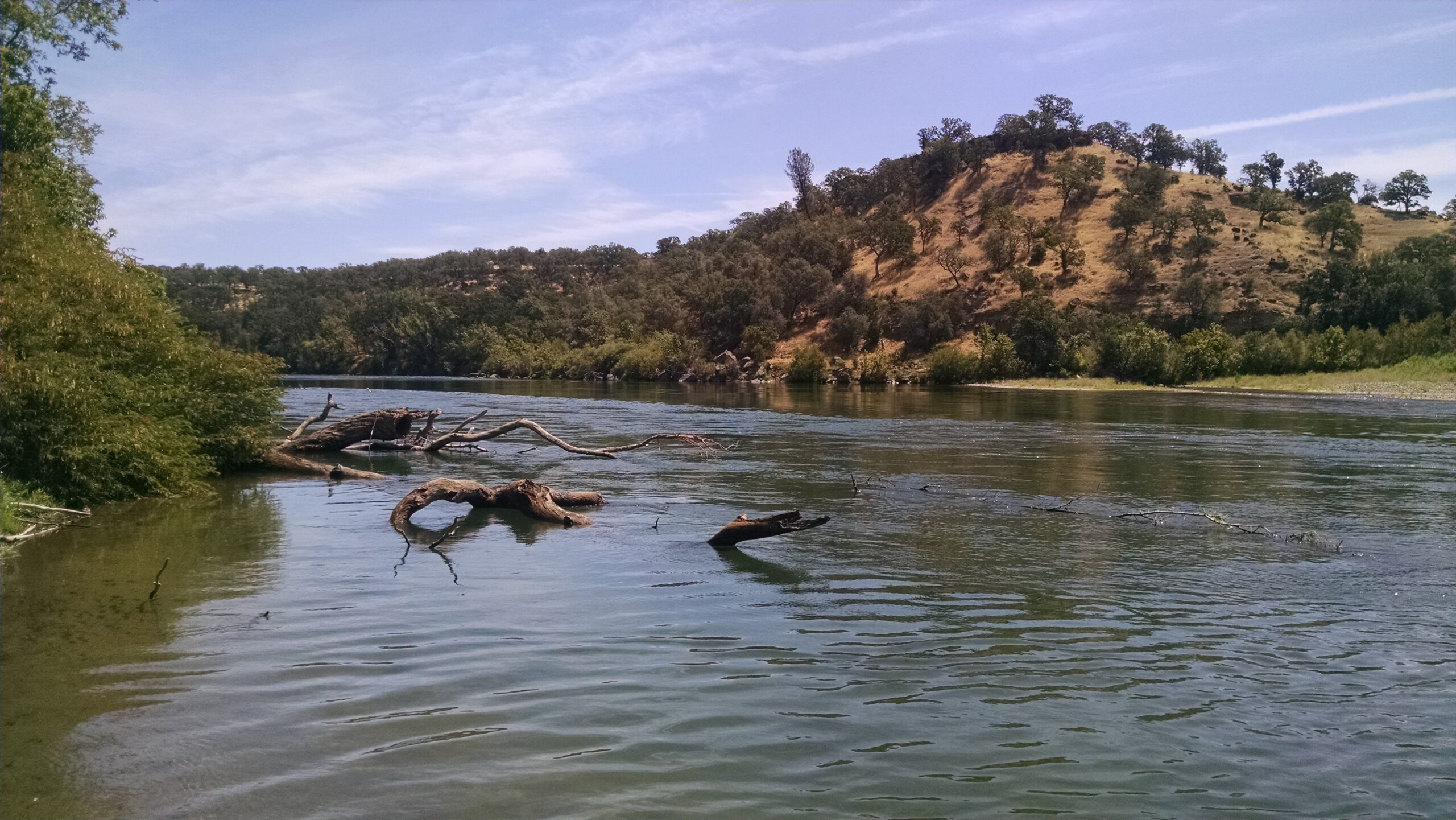
The current drought (up through 2016), in combination with other long-term stressors, is threatening survival of Sacramento River winter-run Chinook Salmon population. Given the circumstances, data on vital rates for the population are urgently needed to better guide management efforts. The study directly links adults and offspring (within brood year) using genetic mark-capture, parentage, and […]
Joint Base Lewis-McChord Oregon Spotted Frog eDNA
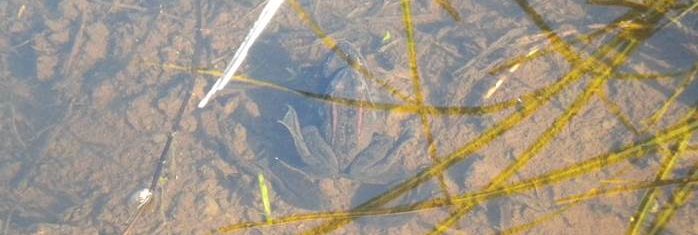
Most of the land bases where US Army installations reside are ecologically significant – providing refuge for a large number of the nation’s threatened and endangered plants and animals. Restrictions caused by threatened and endangered species and their critical habitat can have a detrimental impact on the military’s ability to “train as we fight.” The […]
Genetic Identification of Salmonids to Inform Central Valley Project Operations and Bay-Delta Monitoring
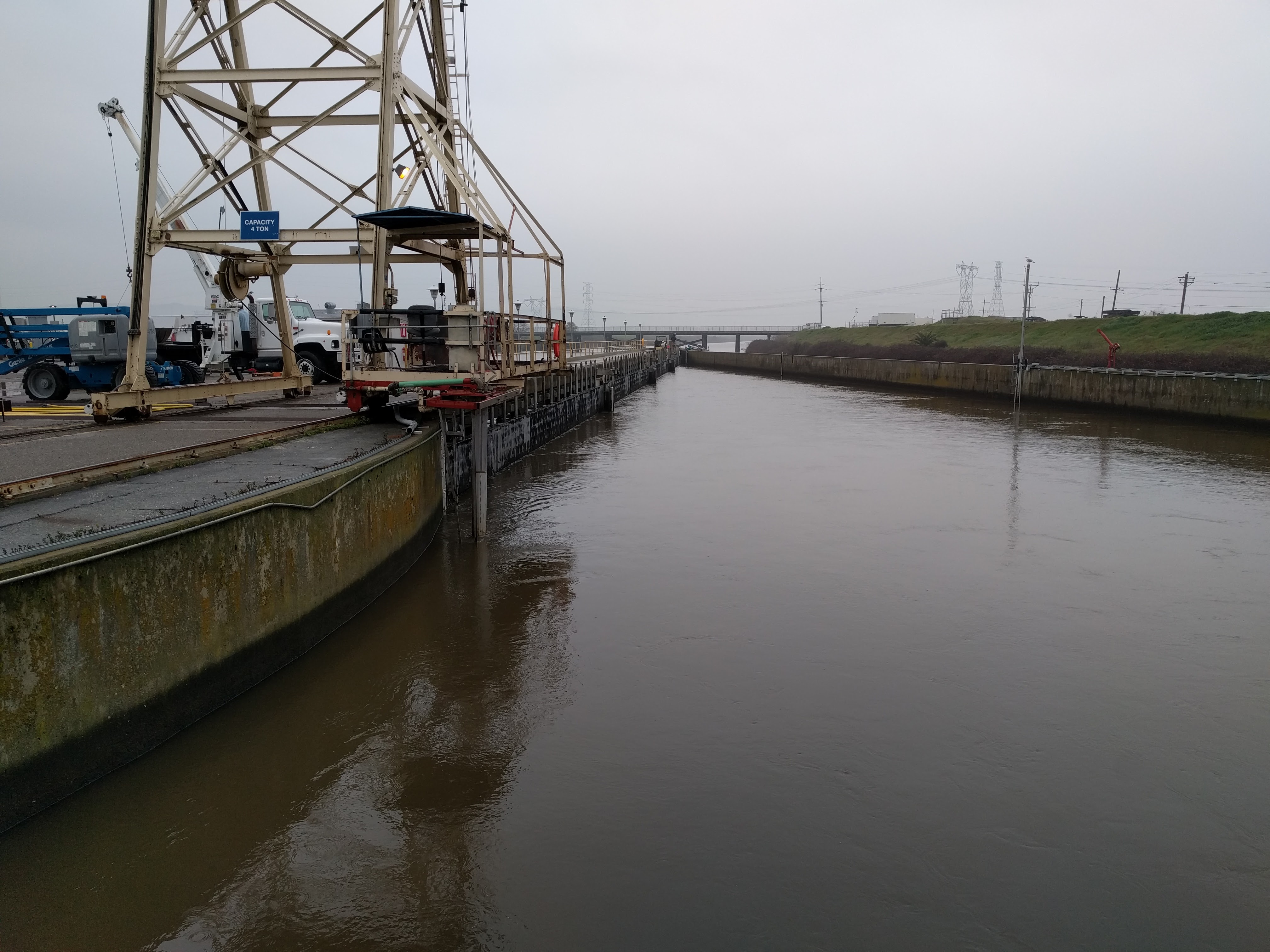
Project Need Average yearly false positive rate for winter run (i.e. calling a fish winter run when it wasn’t) at South Delta diversions fish protection facilities (salvage) during 1996-2010 was 56%, although error rates varied considerably within a season. For 2011-2014, average yearly false positive rates at the CVP salvage have been 58% – 80%, […]
Quantifying the Benefits of Habitat Restoration
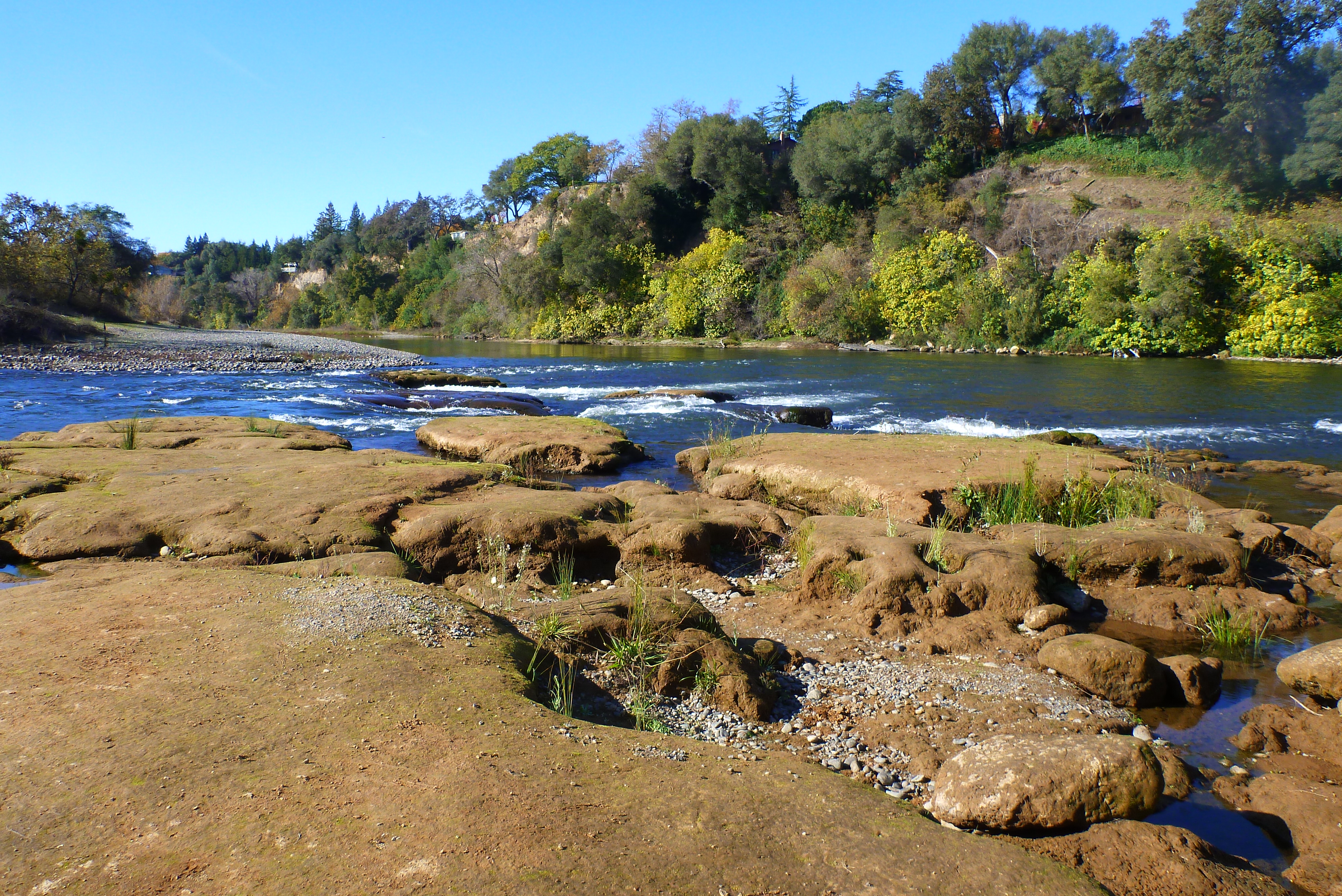
A primary goal of the Central Valley Project Improvement Act (CVPIA) is to double natural production of Chinook salmon in California Central Valley streams through restoration actions that involve both non-discharge (e.g., gravel augmentation) and discharge (e.g., flow management) components. Quantifying these benefits has been hindered by the inability traditional sampling techniques to identify juveniles […]
Detection of Adult Green Sturgeon Using Environmental DNA Analysis
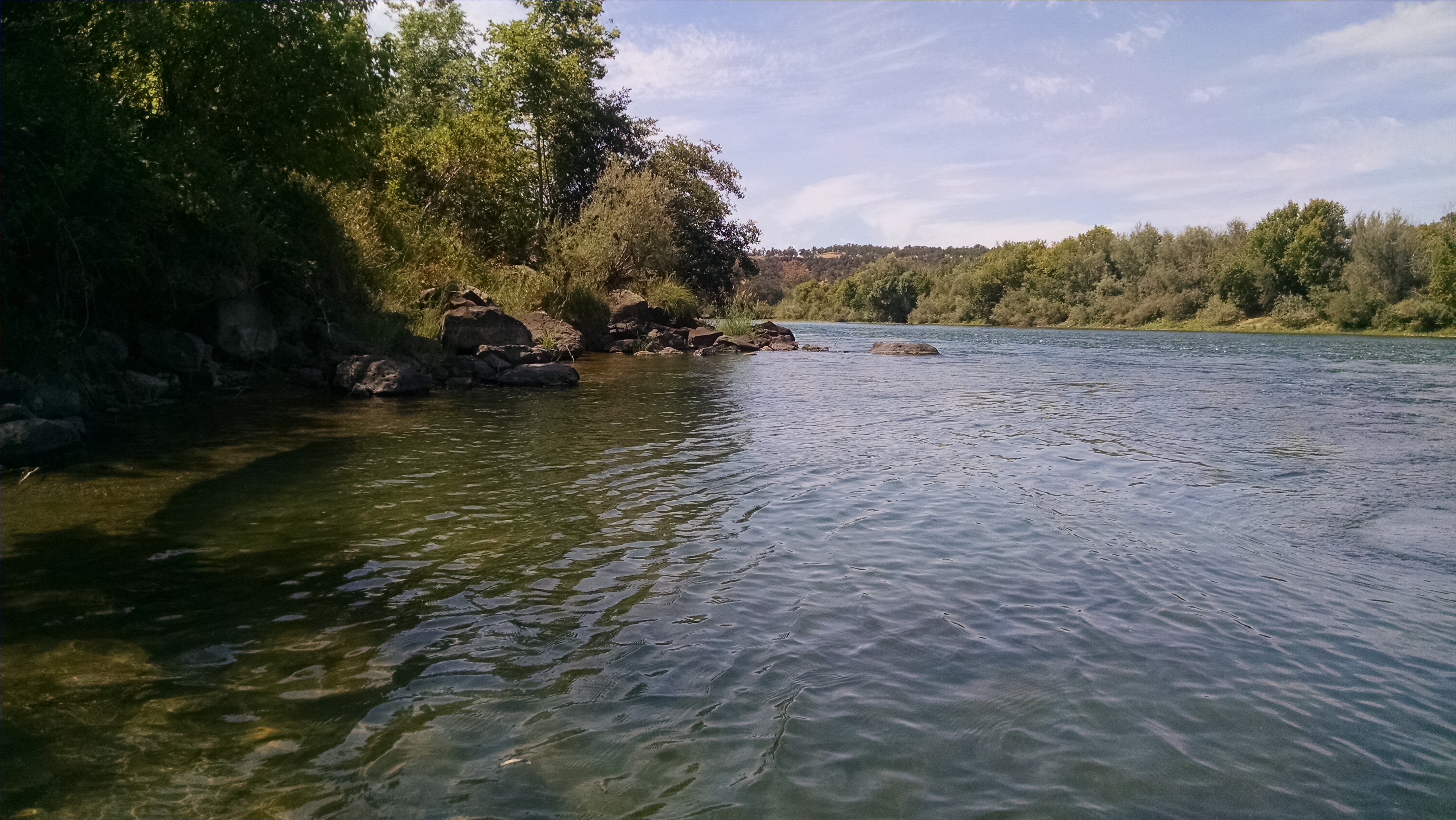
The objective of this study was to assess the effectiveness of the eDNA sampling technique as a survey of Environmental DNA (eDNA) is an emerging sampling method that has been used successfully for detection of rare aquatic species. The identification of sampling tools that are less stressful for target organisms has become increasingly important for […]
Delta Smelt Population Size Metrics Derived from Genetic Measures
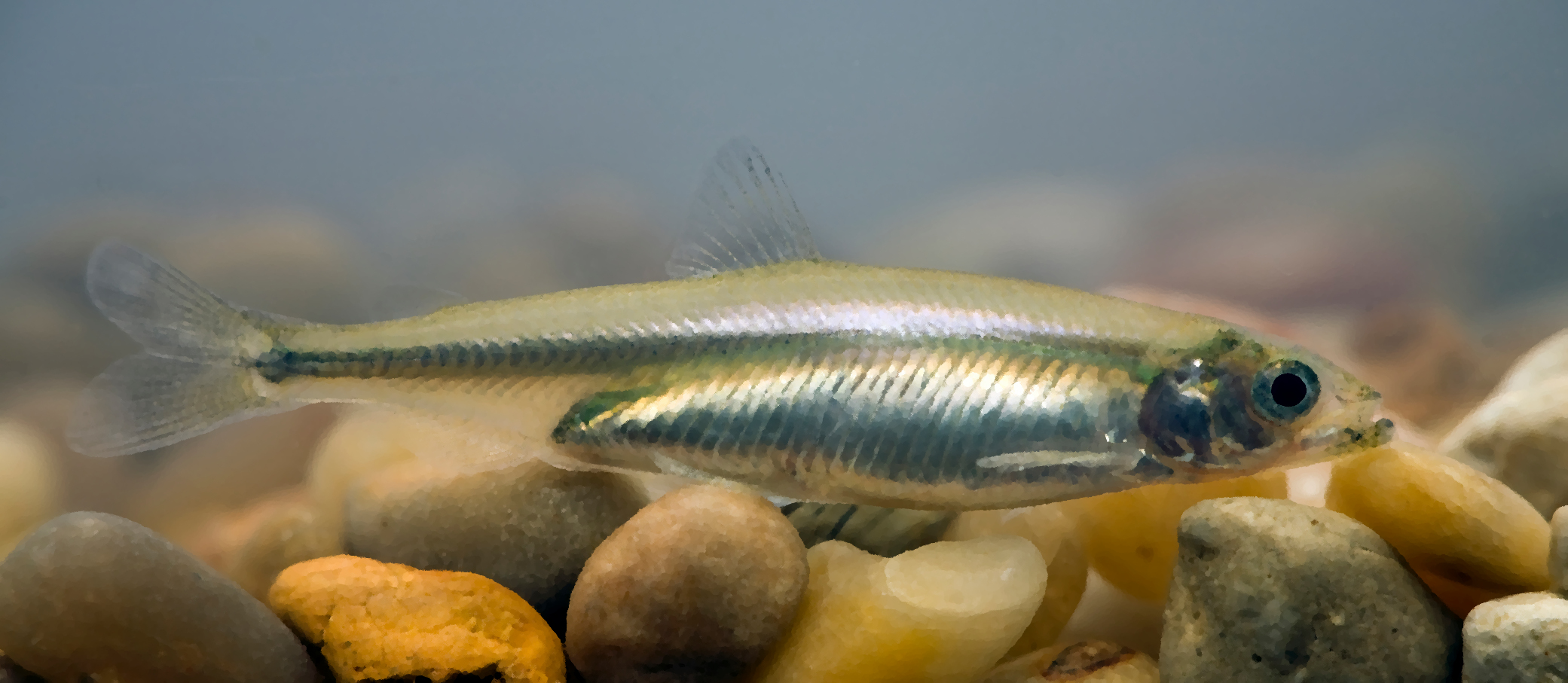
Read the peer-reviewed publication Overview Present monitoring programs were not designed to derive population estimates of Delta smelt. Thus, estimating Delta smelt annual population size (N) has proven challenging due to difficulties in estimating gear efficiencies and sampling in all potentially occupied habitats. Additionally, reliance on an abundance index has hindered the ability to evaluate the role […]
Burns Paiute Tribe Natural Resources Department: Development of eDNA Methods to Detect Presence of the Invasive Brook Trout after Eradication
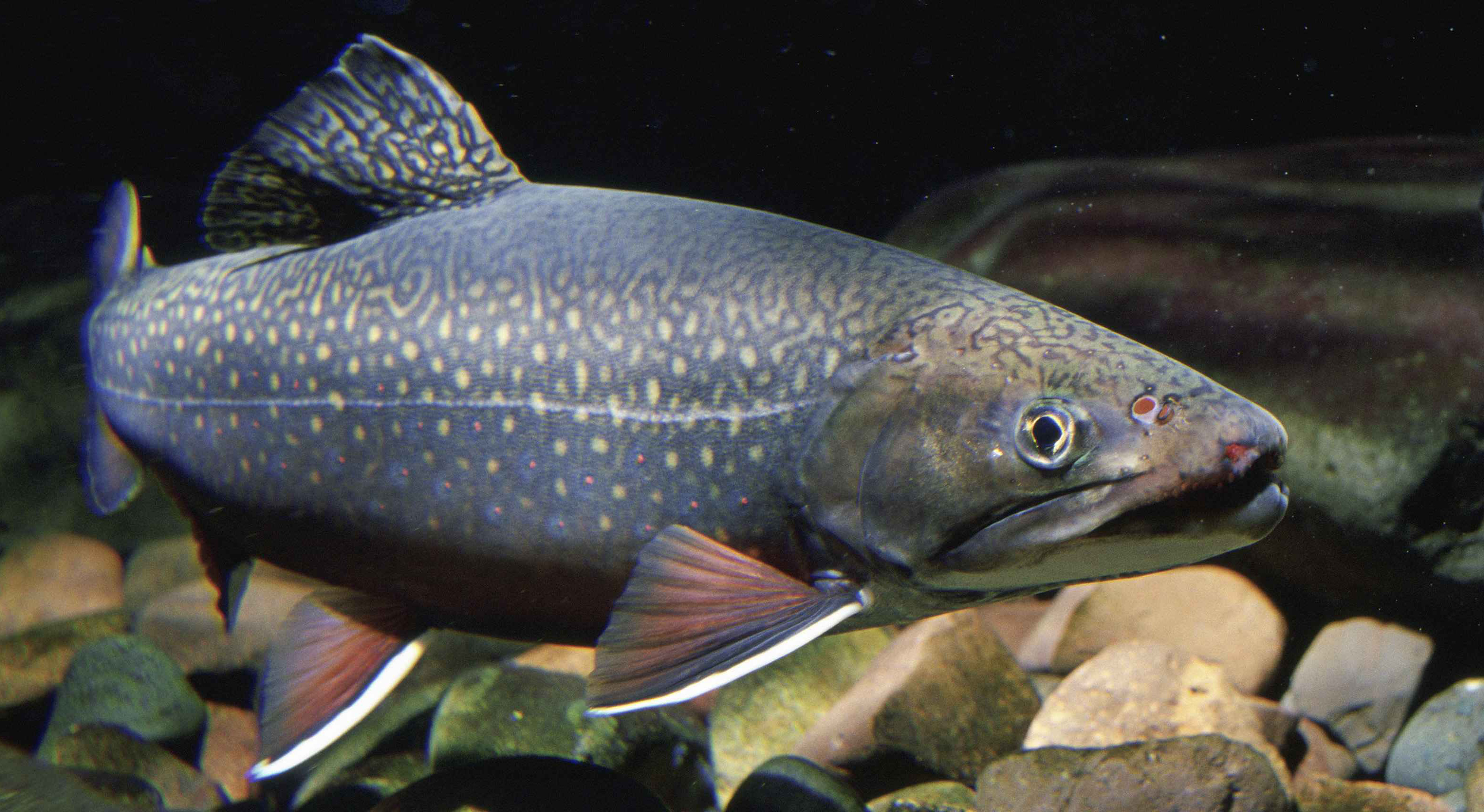
Nonnative brook trout exist in high numbers in the Upper Malheur River basin. In response to the identification of brook trout as a limiting factor to the recovery of ESA-listed bull trout in the basin (USFWS, 2002), the Burns Paiute Tribe Natural Resources Department (BPT) began brook trout suppression efforts in 2010. Since 2001, the […]
White Sturgeon Genomics
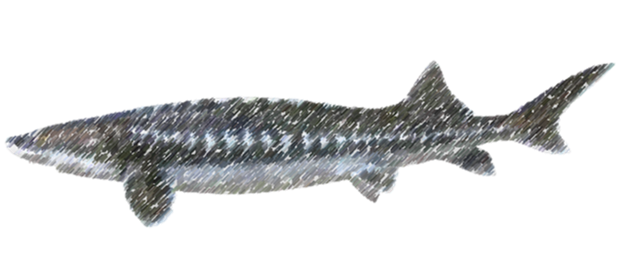
Genidaqs is leading the effort to generate a Whole Genome Sequence (genetic scaffold) for White Sturgeon. Detailed information about the genetic makeup of an organism provides the foundation for current and future biological research. High quality reference genomes have proven vital for improving cultivated species, producing innovative medicines, and providing insights into non-model organisms. The […]